April 29, 2026
6 Tips for Avoiding High Blood Pressure
Health Profile

In a modern workplace, health and well-being are no longer just buzzwords, but critical factors in employee engagement, productivity, and job satisfaction. Below, we will explore some of the areas where technological advancements have influenced workplace health.
Technological solutions are increasingly finding their way into the workplace. This encompasses everything from monitoring indoor air quality and noise levels to analytical tools that identify stress patterns, safety issues, and more. This interplay between technology and well-being goes far beyond simply making work processes more efficient—it is about creating an environment where employees can thrive and reach their full potential.
Fitness watches and activity trackers allow employees to monitor their physical activity, heart rate, and even sleep quality. This not only raises awareness of health levels but can also serve as a motivator for adopting healthy habits.
This could include, for example, personal goals such as reaching a certain number of steps or engaging in physical activity during the workday. Initiatives like these can help individuals keep track of their own goals and boost their motivation.
Modern workplaces are increasingly recognizing the value of flexibility and a healthy work-life balance. Technology plays a key role in this trend by enabling remote work, virtual meetings, and flexible scheduling tools.
Employees can now maintain a healthy work-life balance without sacrificing productivity or efficiency. Technological advances in communication and collaboration have made it possible for teams to stay connected and productive, regardless of their physical location.
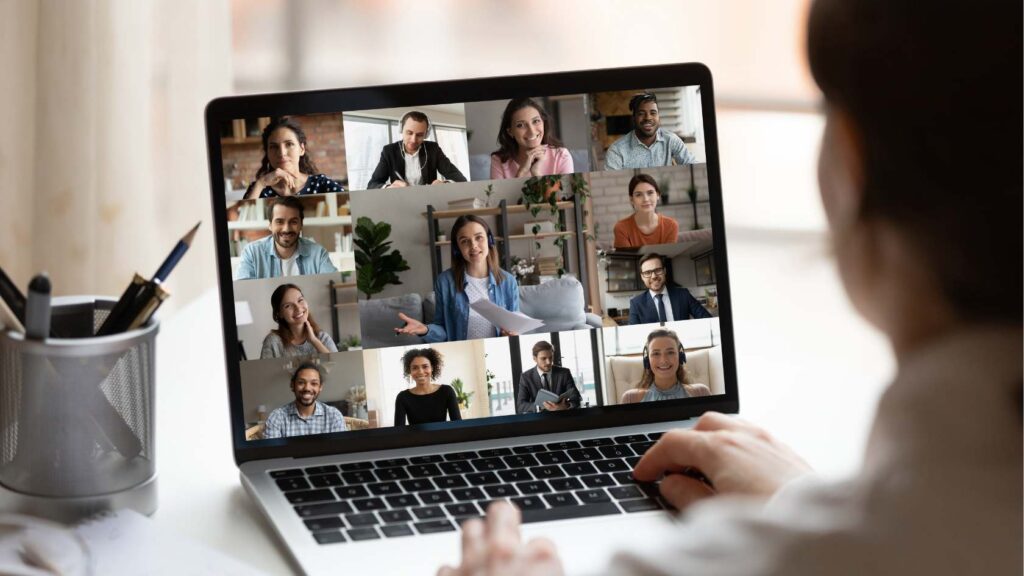
Workplaces have traditionally been physical locations where colleagues meet and interact face-to-face. But technology can help change the way we approach work and collaboration. Virtual communities and meeting places, such as online chats, video conferences, and social platforms, have made social cohesion possible regardless of physical location.
These virtual connections create an environment where employees can exchange ideas, collaborate on projects, and strengthen their relationships, which contributes to an overall sense of belonging and well-being.
Data collection and analysis can play a major role in optimizing the workplace environment. Technology makes it possible to gather information on everything related to employees’ activity levels, well-being, work behavior, and so on. This data can then be analyzed to identify patterns and trends that may indicate health issues, all while maintaining complete anonymity.
Companies can use these insights to make informed decisions about changes to the workplace that can improve employee well-being and productivity. The data also gives employees insight into their own health, which can motivate them to make positive changes.
Although technology has the potential to improve workplace well-being, there are also challenges that need to be addressed. Privacy protection, technological dependence, and the human factor are some of the aspects that require attention. It is essential to strike the right balance between technology and the human experience in order to achieve the best results.
At Acture, we have been tackling these kinds of challenges for over 20 years. If you’re interested in promoting health and well-being through technological solutions, we’re here to help.