April 29, 2026
6 Tips for Avoiding High Blood Pressure
Health Profile

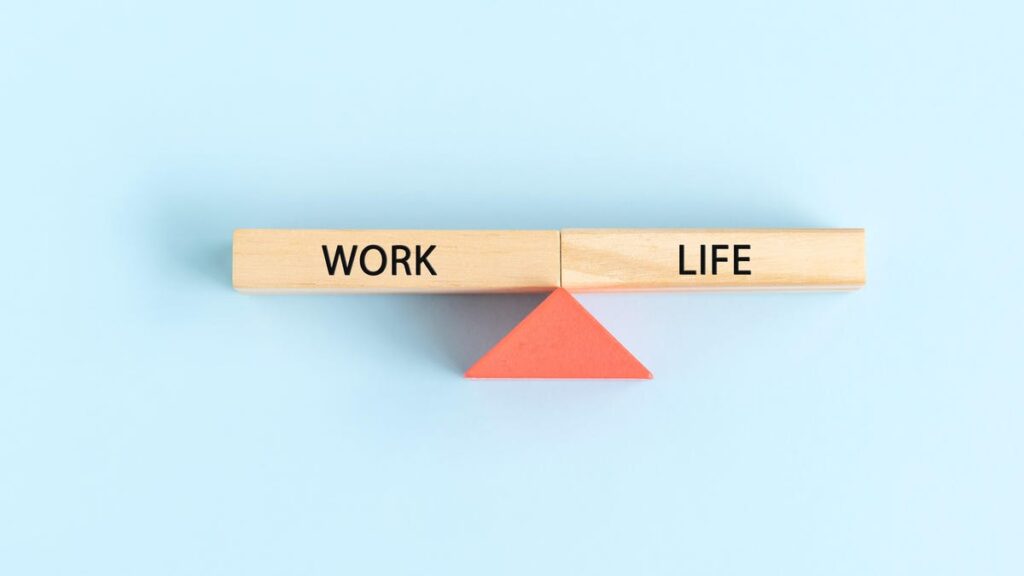
We all long for a life with a good work-life balance. A good work-life balance leads to greater well-being and energy in our daily lives. For many, however, the reality is quite different, with busy and stressful workdays that leave no energy or time for other interests once the workday is over. Studies show that long and stressful workdays are linked to a poor work-life balance, making it difficult to reconcile personal and professional life. This can have consequences for both your personal and professional life, and in the worst cases, it can affect your mental well-being, leading to stress or other health issues.
It is therefore important to focus on well-being at work. Studies show that it pays off for both small and large companies to prioritize well-being and health in the workplace. Efforts to promote well-being and health in the workplace can lead to reduced absenteeism due to illness and improve mental health among employees. The workplace thus plays a role in ensuring that employees are healthy and fit.
When it comes to achieving work-life balance, it’s about having a supportive environment and the right conditions to thrive at work, but also taking an active role in managing your work life. It’s essential for each individual to know their limits and learn to strike a balance between their personal and professional lives. If you believe you have to work long hours because you feel it’s expected, or if you find it hard to put work aside because you’re really busy, this is a sign that you’re working too much and should prioritize your time differently to take care of yourself. This is often linked to a poor work-life balance. Studies show that longer workdays do not necessarily make you more productive. That is why it is important to get a clear picture of the time you spend at work and prioritize which tasks are most important. Once you have found and established a good balance between your personal and professional life, it leads to greater well-being and more energy in your daily life.