April 29, 2026
6 Tips for Avoiding High Blood Pressure
Health Profile

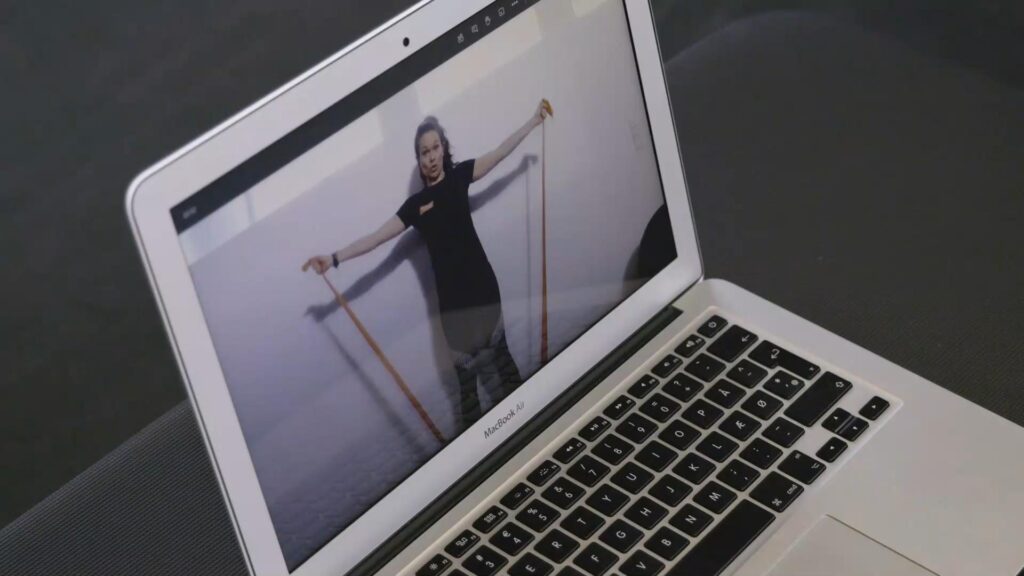
Gradually, many people are getting used to working from home. The COVID-19 pandemic has forced many of us to do so. In fact, even before the pandemic hit, Danes were already working from home more than the vast majority of other Europeans. A quarter of employees worked from home regularly in 2019. And this year, many workplaces that previously did not offer work-from-home days have been forced to move work into the home. For better or worse, mind you. Depending on the nature of one’s work, working from home naturally makes more or less sense. For those who can work from home without any issues, it means no commute and increased flexibility, allowing for a better balance between personal and professional life. Many have also discovered digital solutions such as online meetings. At the same time, it’s not as easy to get professional feedback from colleagues, and this takes a toll on social relationships with them. Still, one could imagine that digital solutions, flexible work hours, and remote work will play a greater role in the workplaces of the future.
So what does the workplace look like at home? Not everyone has a height-adjustable desk, a proper office chair, and a large computer monitor to work with when working from home. Some end up sitting with a small laptop on the couch or at the dining table all day long. Unfortunately, working from home can therefore lead to poor posture and pain for those who don’t have a proper workspace at home. In the long run, it can have a negative impact on the economy of businesses and society if employees become ill from working at home. But no one should get sick, regardless of whether they work from home or not.
The requirements for a home office aren’t actually that strict. To put it simply, according to the Occupational Safety and Health Act, the requirements are just that you have a good chair to sit in, a desk that’s the right height and size, and a reasonable setup for working at a computer. And these requirements only apply to remote work of a certain duration. So the requirements are relatively simple to meet. The few requirements that exist are intended to prevent pain and wear and tear. At a time when so many people are working from home, it is extremely important to ensure good working conditions, even though this requires looking into people’s private homes. Because sitting on the couch with a laptop on your lap isn’t sustainable. So perhaps it would even make sense to tighten the requirements in the Occupational Safety and Health Act if we’re looking toward a future where we need to prevent wear and tear to a greater extent and remain in the workforce for longer? In any case, we must ensure that home offices are set up properly so that we can sustain working from home in the long run.
By Josefine Huusom